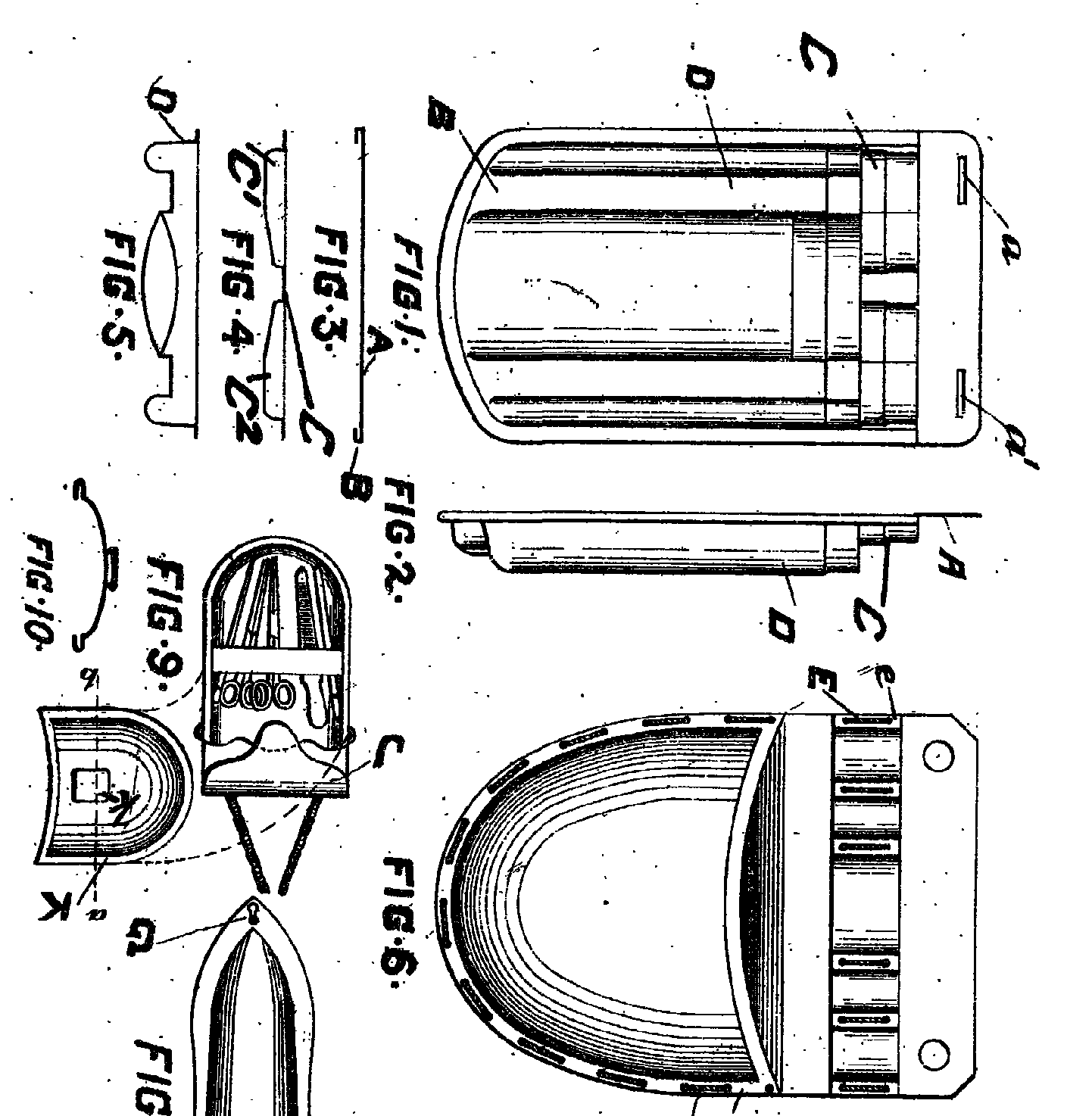
Below you can find some links to further resources about this invention:
William King Stacy was what was known in London in the late 19th Century as a cutler, which is an expert in knives - making them, repairing and maintaining them, including sharpening them. The team behind Politics of Patents, an ERC project which investigated patent applications through a fantastic method called "speculative sewing", describes Stacy as:
"We don’t know much about him as a person but have found a few traces of his business. As well as making knives, he was involved in instrument making, electroplating and, by 1901, he was also describing himself as an optician in the census. The making of chatelaines and instruments for medical use seems to have been a mainstay of the business, and we’ve found the richest archive sources to have been in nursing and medical journals rather than the general press."
From their research into the archives, they found the problem that Stacy was trying to solve with his invention:
"As instruments became more sharp, delicate or expensive there was a growing incentive to enclose them in a protective casing or wallet. However, when such tools were used for medical or surgical purposes, this caused a conflict with the need to also keep everything clean. Stacy’s invention aims to produce “a chatelaine-wallet which can be readily taken to pieces for effecting a thorough cleansing of all the parts so as to obviate the possibility of any tendency to putrefaction by the lodgement of germs within the partitions of the wallet from the various instruments which may be carried therein.”"
And his solution? The researchers write as follows:
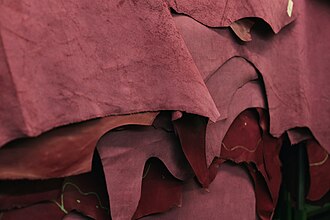
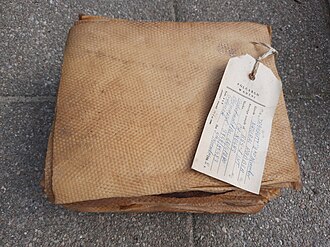
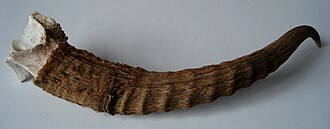
"Stacy’s germ-resistant novelty lies in the invention’s unique dis/assembly. Instead of being made as one piece, his châtelaine is constructed of a series of interconnecting units or ‘plates’. His technique involves the use of a layered system of plates. Made of a range of materials such as “metal, wood, caoutchouc [rubber], horn, celluloid, leather,” these various plates with their differently shaped pockets could be secured via flanged or ribbed recess or laced together with cord passed through loops or holes punched along the edges. Both systems allow for customisation for different vocations with layers of the wallet “to be formed into one combination article” in “any desired width and arranged in any particular manner to suit.” This also meant that the plates could be easily separated to facilitate cleaning.
Looking into the patent application it is clear that Stacy improvised with different materials in making his invention. You can read more about the reviews it received and other resources that the POP team found, including gorgeous images of their reconstruction on their website. I am inspired to think more about the chatelaine for our project. I might start first with the knitting chatelaine POP shared, see how it works for my own projects.


.jpg)