Education

Fruit

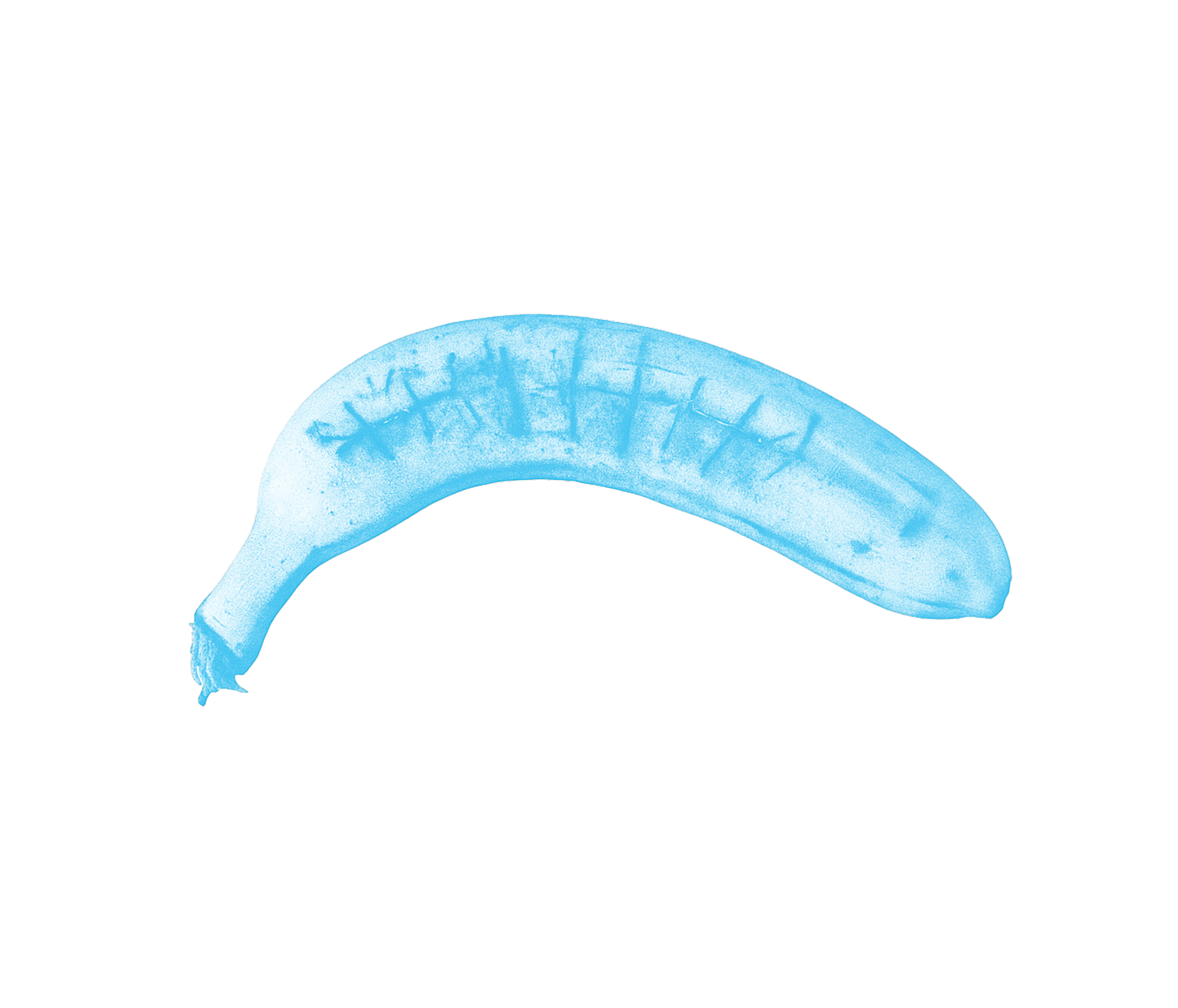
Sutured fruit

Published on

May 18, 2026

Banana peel is actually very similar to the human skin in texture, and so it is a great (and cheaper) way to practice simple suturing techniques. Grape is also a great fruit to simulate thinner and more fragile skin that is more delicate in certain areas of the body (like the face).

Scroll and Discover

Banana peel is actually very similar to the human skin in texture, and so it is a great (and cheaper) way to practice simple suturing techniques. Grape is also a great fruit to simulate thinner and more fragile skin that is more delicate in certain areas of the body (like the face).

links and resources

Banana peel is actually very similar to the human skin in texture, and so it is a great (and cheaper) way to practice simple suturing techniques. Grape is also a great fruit to simulate thinner and more fragile skin that is more delicate in certain areas of the body (like the face).

An overview of all
elements and materials used

Grid layout

Table row

[Introduction]

This overview highlights all materials and elements used throughout the project. From structural components to finishing touches, each choice was made with care—balancing functionality, sustainability, and aesthetics. Together, they form a cohesive whole that reflects the project’s vision and values.

Used elements/materials

Materials needed:

  • 1 banana and/or a few grapes
  • Scalpel (or any sharp knife) 
  • Dissection scissors (or nail scissors) 
  • Surgical needle (or sewing needle)
  • Surgical thread (or sewing thread)

Costs: under 2 EUR

Time: 10 minutes

Instructions

  • For the banana peel:
    • Use your scalpel (or knife) to slice the banana peel to simulate a deep cut. 
    • Use the surgical needle and surgical thread (or equivalent materials) to sew the skin back together.
    • Demonstrate your best suturing skills!
  • For the grapes:
    • Use your surgical scissors and make an incision into the skin of the grape (without piercing the soft flesh beneath it, be soft!). 
    • Carefully sew it back together with the surgical needle and thread. This allows you to practice delicate stitching.