Creative Methods Fair
Published on
July 23, 2025
The Creative Methods fair was a well-recieved opportunity to learn about and experiment with different creative research methods.
Scroll and Discover
Information of the Event
As part of a two day event, this Creative Methods Fair served as a moment to showcase innovative research methods and creative approaches.
About the articleThe Creative Methods Fair was held on the 28th of May as part of The Upcycled Clinic project. Through six interactive workshops, the creative methods fair showcased innovative research methods and creative approaches. The aim was to learn about and experiment with different creative research methods. While many of the workshops drew from work in clinical contexts, the workshops and methods intended to be relevant and applicable to researchers working in wide-ranging areas.
These workshops were:
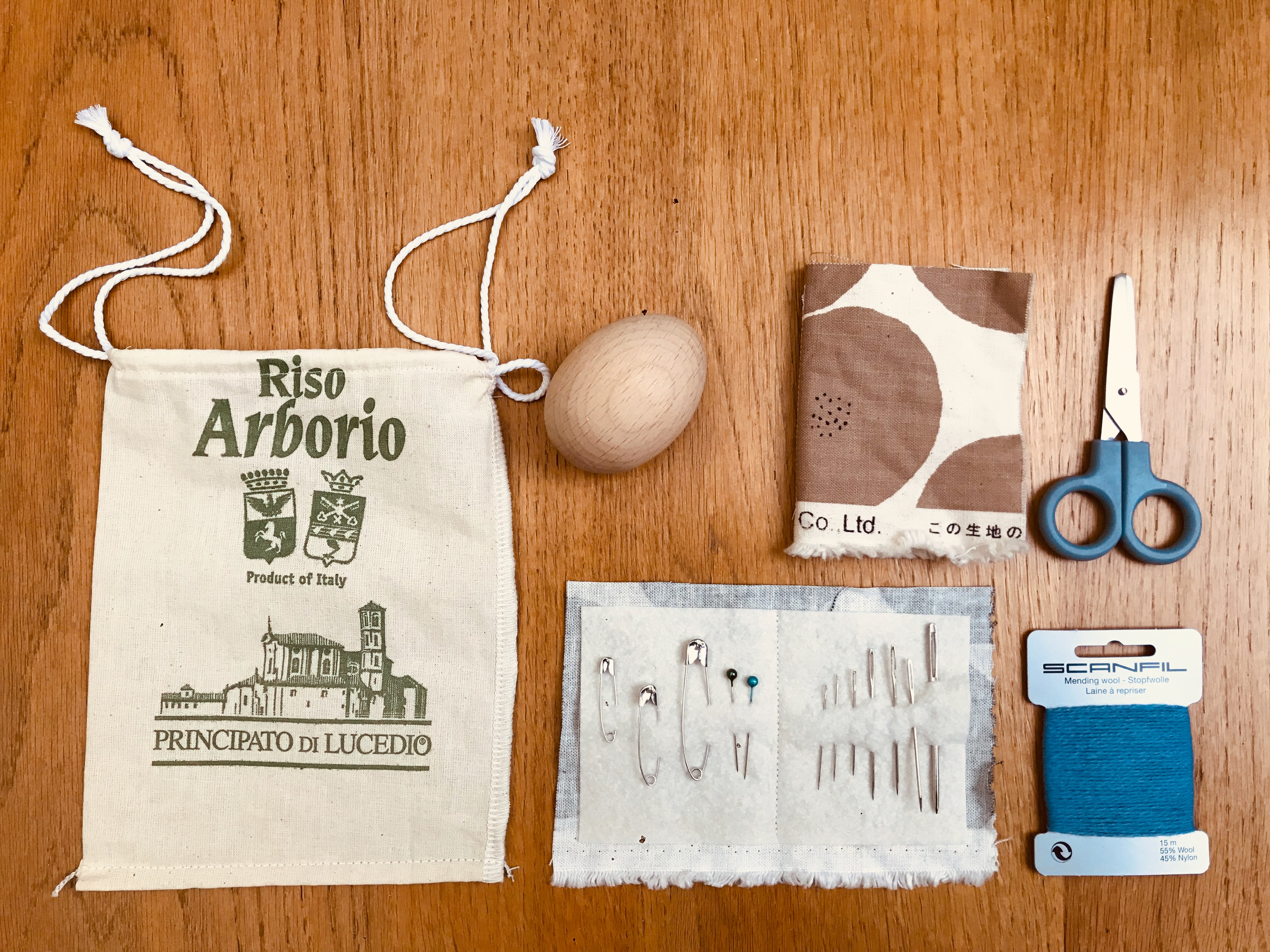
- Magical Machines (hosted by Kristina Andersen, TU/e Eindhoven) started with the question: what ails you? Answers were kept private and pocketed and then addressed with small kits for making a magic machine that might help.
- Sensory, dream mapping (hosted by Victoria Bates, Bristol University) introduced several methods to explore people's sensory experience of spaces in use, and to reimagine space, using the example of the dream hospital.
- Cultural Probes (hosted by Catherine Montgomery, University of Edinburgh) drew on critical speculative design and ludic engagement to explore how to produce tangible kits of tasks which elicit inspiration through provocation. Ideal for inventive problem-making.
- Helix Design Methods (hosted by Sophie Horrocks, Imperial College/St Mary’s Hospital) brought methods from the toolbox of the Helix Centre, a research lab for design and health located in St Mary’s Hospital, London, that has been used with a wide range of patients and healthcare practitioners.
- Touch and time (hosted by Kate Maguire–Rosier, Maastricht University) introduced and facilitated a practical task from clowning and reflected on how to learn from techniques that theatre and dance artist-researchers use to meaningfully engage in clinical contexts.
- Imagining in collage (hosted by Anna Harris, Maastricht University) expanded the sensory methods toolkit through working with collage, using the example of the hospital that was never built.

Once again, a big thank you to all the workshops hosts for their work and to all the participations who made the creative methods fair interactive and inspiring.
More events you may be interested in
Choose and Discover